












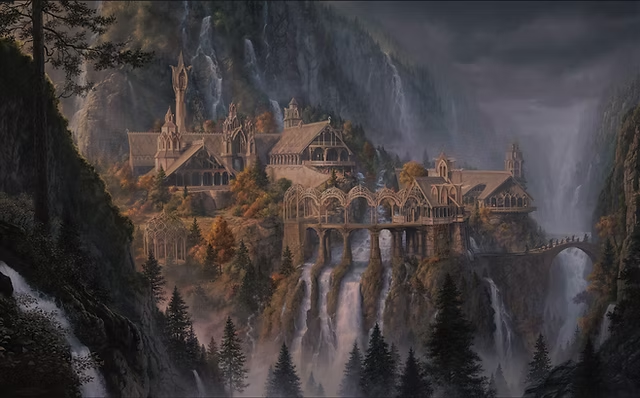



With National Tolkien Reading Day being March 25th, I wanted to take some time to talk about my favorite author, J.R.R. Tolkien. For those who don’t know, The Lord of the Rings is an epic fantasy trilogy, following elves, dwarves, men, and hobbits in their quest to destroy the ring of power. Although Tolkien is considered to be the ‘father of modern fantasy’, his work is quite different from most fantasy series you would find in the store, as Tolkien’s works are more complex, and the history of Middle Earth (the continent where The Lord of the Rings takes place) is very deeply rooted in the story itself. Through the novel, Tolkien constantly refers to events that took place thousands of years in advance of the present, which adds so much depth to the world, making it seem even more alive. A major part of creating such a unique world was the languages that are included within the story, such as Sindarin (Elvish) and Khuzdul (Dwarvish), which add so much uniqueness to this novel that many other modern fantasy novels lack. Many people don’t even know that The Lord of the Rings was created because Tolkien needed a world for his languages, and didn’t just create it for the story. I also feel that Tolkien’s writing style remains unmatched, due to the descriptive sentences and moving quotes from characters. In every chapter, the environments are described in detail, in ways that make it easy for the human brain to understand and form images in our heads.

Additionally, the characters of the novel are very well developed, and the nine central characters all have some sort of character arc that well echoes the themes found throughout. Common themes throughout the story include: beauty in nature, power of fellowship, and the corruption of power. The dynamic friendships created between the most unlikely characters are one of my favorite parts, and seeing the characters interacting with each other makes the story seem so alive and vibrant. Tolkien started developing his mythology while in the trenches of World War I. His experiences of the loss of his closest friends are reflected beautifully within the four main hobbits, especially the loss of innocence and seeing how the experiences of war never truly leave a person. They will continue to carry those burdens forever.
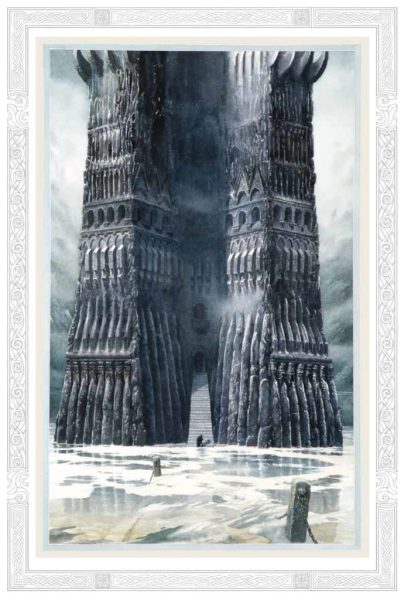
Tolkien’s legendarium extends far beyond The Lord of the Rings, with it only being a tale in a large world. I have yet to find a singular author who has created as much as Tolkien did in his lifetime, and with the lore being so consistent the entire way through. For two years now, I have been reading Tolkien, and I have just barely scratched the surface of the knowledge available. Another famous book by him, The Hobbit, takes place about 60 years before the events of The Lord of the Rings, but is written in a way that makes it its own separate book, and not a prequel. It’s the perfect balance between being its own story, but also including little plot details that have big implications for the overall mythology. This is just one example of how other stories affect The Lord of the Rings, which is so important to understand when reading the book. At times it can be a little overwhelming, with places and names, which is why I recommend you read this book slower than you normally would read, in order to catch all of the little details. Besides his legendarium, Tolkien also wrote a number of essays as an Oxford professor on ancient English and Anglo-Saxon texts, such as Beowulf, which at the time were not taken seriously, as well as on fantasy in general, redefining the genre as it is today.
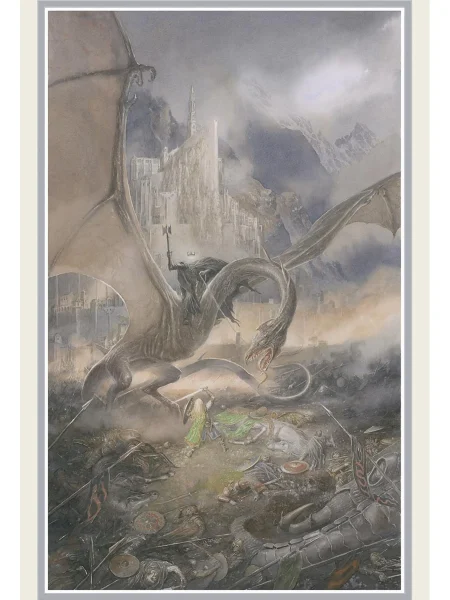
Even if you’re not a big reader, I still strongly suggest that you watch the movies, because all of the former points still apply here. The trilogy of movies translates Tolkien’s works wonderfully, especially with the set design and music. Howard Shore, the composer for the movies, created what I consider to be the best music ever, as it tells a story even without the movie. And every location has its own unique instruments, giving every kingdom its own identity and culture. Another one of the wonders of the movies is the visuals, which are largely due to the use of practical effects over CGI. I highly recommend you look up some of the miniature models created for this movie, with some being so large that people can walk in them. The movies didn’t win 17 Oscars for nothing, and I still get moved to tears after some sections, even after watching them for so many years.
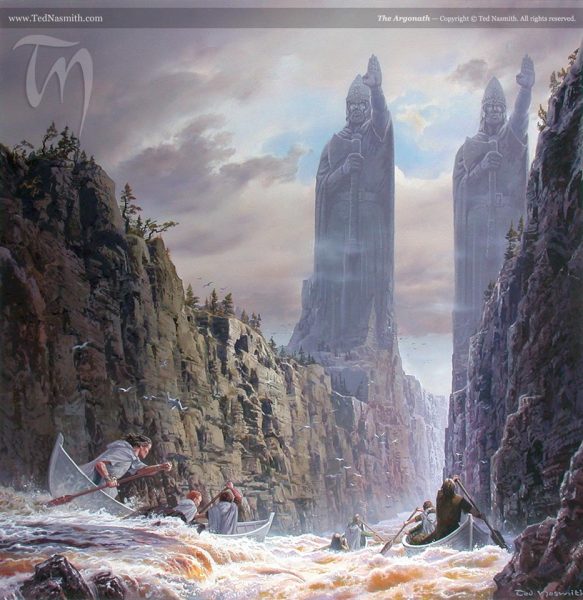
Tolkien wrote a lot during his lifetime, and even if you don’t like fantasy, everyone should read these books at some point in their lives, if not for the story, then to just see the accomplishment that the professor created, which is truly mind-boggling to this day. However, instead of starting with The Lord of the Rings, I recommend you start with The Hobbit, as it’s shorter and less complex of a story overall, but still gets you used to the style of Tolkien to determine if you like it or not. Because of the importance of Middle Earth’s history and the names and places of Middle Earth, don’t be afraid to look up the meanings of certain words and phrases to be sure not to miss any important details.
I ask for you to please give Tolkien a chance, no matter what genre you like, because his themes and messages can give you hope in the darkest of times, and remind you that no matter how dire the situation may seem, there will always be light on the other side.